


Iran’s Lead and Zinc Industry Expands Its Regional Weight
Iran’s lead and zinc sector has improved recovery rates, boosted exports and expanded downstream production, consolidating its role as a major supplier in West Asia.
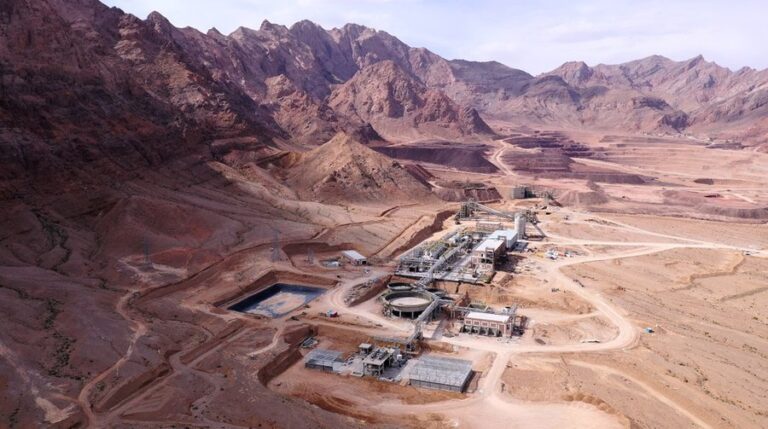
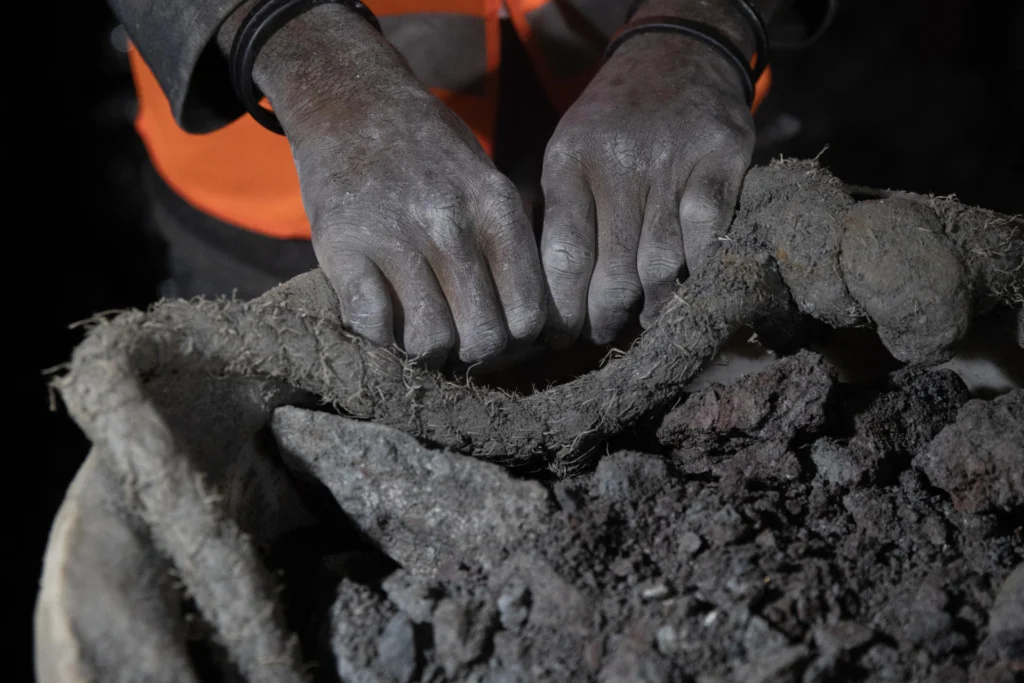
Processed mineral feedstock at a lead and zinc facility in Iran, highlighting the sector’s growing production and export capacity. Photo: @PressTV
November 23, 2025 Hour: 5:51 am
🔗 Comparte este artículo
Iran marked Lead and Zinc Day on 22 November, highlighting the growing strategic importance of these metals for the country’s economic plans and for a mineral sector that has undergone decades of technical and industrial transformation.
RELATED:
Iran Slams IAEA Board Resolution as Political
With proven reserves of roughly 29 billion tons and nearly double that in probable reserves, Iran holds one of the world’s most diverse mineral profiles, encompassing more than 64 mineral types. Between 9 and 10 percent of all identified global lead and zinc reserves are located in the country, placing it just behind China, Kazakhstan and India in Asia’s geological rankings.
The industry took shape in the 1960s, but its shift toward value-added production emerged when domestic specialists, largely in the private sector, moved away from exporting raw ore and focused instead on building a more profitable processing and refining chain. Producers who once struggled to sell concentrate at 50 percent zinc content now operate in a market defined by higher output and stronger export performance.
Iran is today the sixth-largest zinc producer and the fifth-largest lead producer in Asia. Around 80 percent of the sector’s output is exported to 15 countries, with annual export potential estimated at about 2 billion dollars. Only one-fifth of total production is used domestically, making the sector an important source of foreign-exchange earnings.
The Angouran mine and processing complex in Zanjan province illustrates these trends. As one of the largest lead and zinc operations in West Asia, it supplies about 30 percent of Iran’s feedstock. Another 10 percent comes from other domestic sources, while the balance is imported to maintain steady production. This mix of local and foreign inputs has helped smelters and processing plants operate consistently despite fluctuations in the quality of domestic ore.
Technological improvements have played a decisive role. Ore containing 14–15 percent metal, once discarded as waste, is now processed to extract metal from material with less than 1 percent content. Higher recovery rates have raised efficiency and allowed producers to expand output without proportional increases in mining costs. The sector also extracts nickel, cobalt and cadmium from what were once waste streams, reducing disposal costs and supporting more environmentally sustainable practices.
Lead and zinc deposits frequently occur together—about 70 percent of identified deposits contain both metals—and most mining is done underground, accounting for roughly 80 percent of operations. About 10 percent are open-pit mines, with the remainder using mixed methods. This structure supports long-term planning and ensures a more predictable feedstock supply for processing facilities.
Employment has expanded alongside industrial capacity. Around 15,000 people work directly in the sector, and indirect jobs in transport, engineering, equipment supply and logistics add significantly to its economic impact. In regions such as Zanjan, the industry provides steady income in areas where new employment opportunities can be limited.
Downstream production has also grown. Domestic firms now supply zinc sulfate for agriculture and zinc oxide for pharmaceutical manufacturing, reducing dependency on imported intermediaries. Although these specialized compounds have limited export potential, a complete domestic supply chain has strengthened local manufacturers by providing more affordable and reliable inputs.
Globally, zinc is the fourth most widely used metal and lead the sixth, central to construction, automotive manufacturing, renewable-energy components, medical instruments, batteries, cables and electronic systems. Their uses stretch back thousands of years, and today they occupy key positions in industrial and green-technology supply chains. Iran’s ability to supply these markets reinforces its role in sectors shaped by long-term economic demand rather than short-term commodity cycles.
After six decades of accumulated experience, steady private investment and advances in recovery technology, Iran’s lead and zinc industry has strengthened its position as a significant regional producer. Its ability to process former waste into profitable metals, maintain a strong export surplus, support domestic downstream industries and operate at international standards continues to expand the country’s industrial base.
Author: MK
Source: HispanTV